I am a full-stack UX designer with over 30 years of experience in software development and 16 years specialising in UX design. My expertise lies in distilling complex business processes into simple, logical flows for high-stakes productivity tools
Building fast is easy now. Knowing what good looks like isn’t.
When everyone can move quickly, the advantage is clarity of thinking, quality of design, and turning what the business needs into
software people can actually use. My work centres on using AI to improve how organisations sell, design and deliver software,
particularly in the complex financial services environments Digiata focuses on.
Currently, I focus on AI-augmented design workflows. By integrating AI as a creative partner, I streamline the design process - from ideation to high-fidelity interactive prototyping. As an educator, I am committed to future-proofing the design profession by teaching project teams how to leverage AI effectively and ethically
How I got here
I never studied software or design. My degree is a master’s in politics, and politics is about people. I started writing code in
1993 anyway, and for years that was the job.
Then I worked on a global marketing platform for Diageo. With every feature we added, it got harder to use. When I stepped back,
the reason was plain: nobody in the organisation was thinking about the user. Everything revolved around the features. So in 2008,
when a chance came up to work with Flow Interactive, a UK UX consultancy, I took it and changed direction.
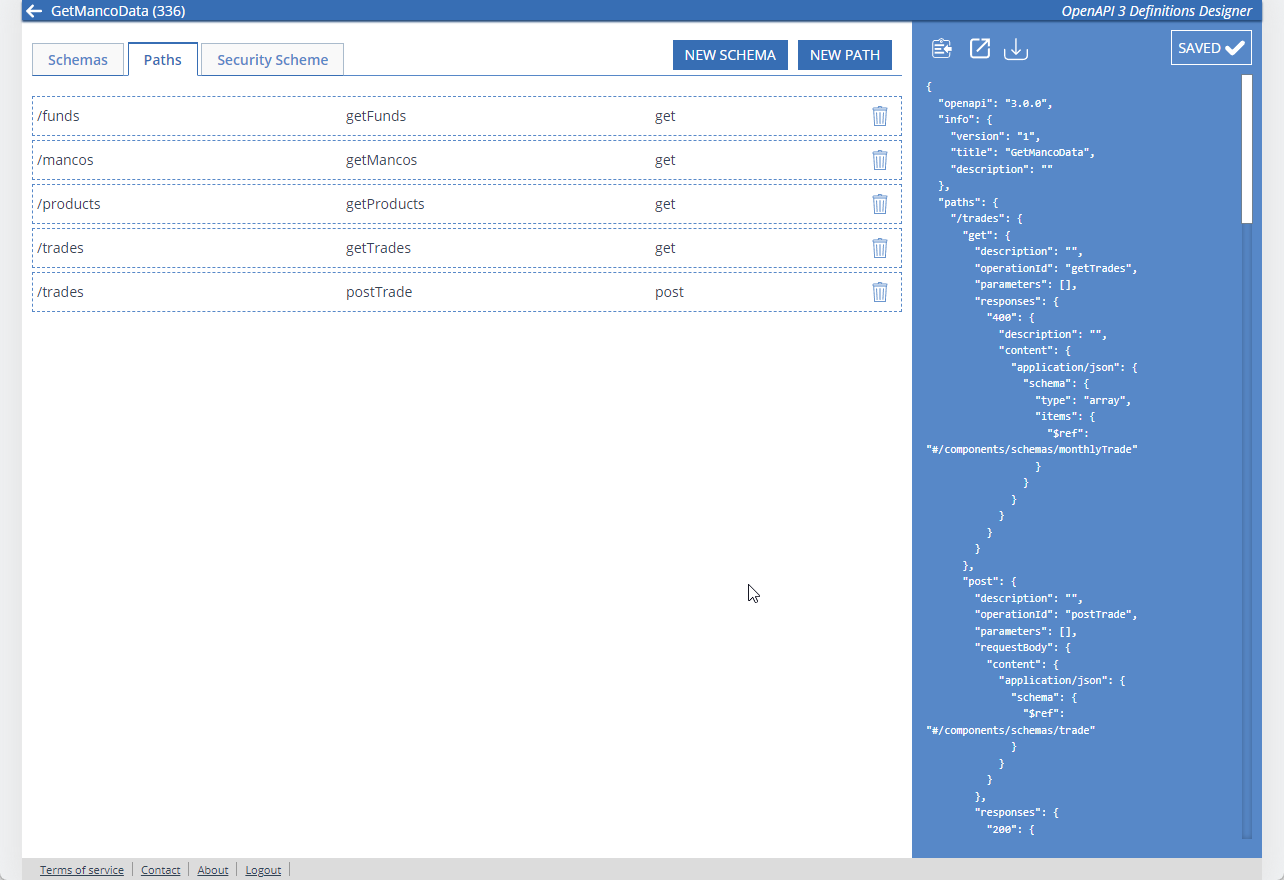
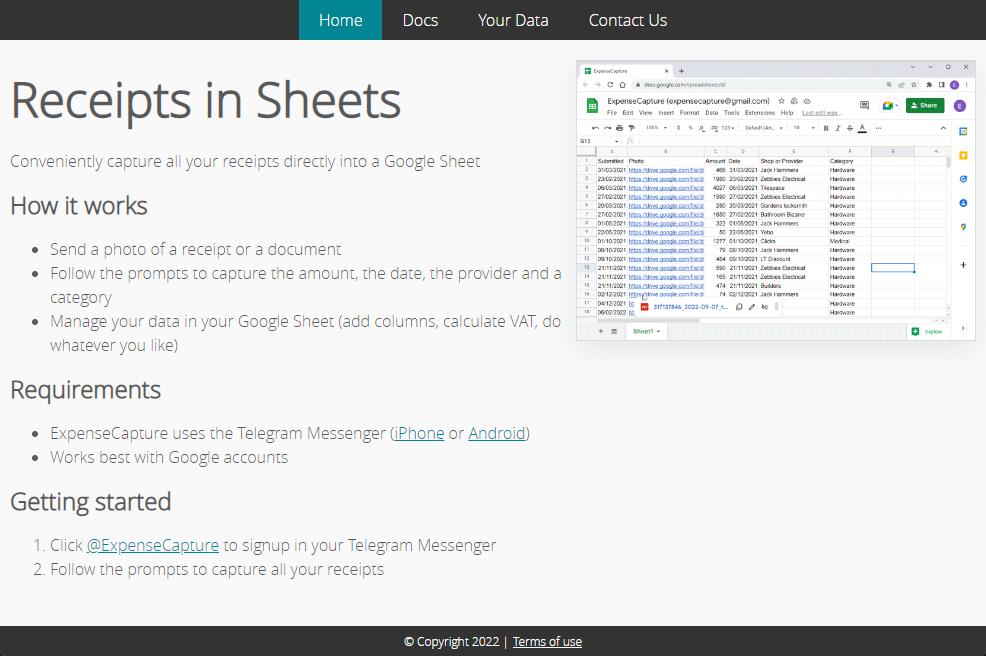
I never stopped building things of my own. The current one is
openapidesigner.com. I use AI outside work too, on legal, financial and
personal problems. The part of the work I enjoy most is teaching: workshops, articles, and now training Digiata’s teams to design
with AI.
What I believe
Good software is a compromise
Between what the business needs, what the technology allows and what people can use. Finding the one that works for all
three is the most valuable thing a designer does.
Judgement is the skill that matters now
AI produces impressive work at every stage of design. Deciding what good looks like is still our job, and switching off to
accept the output is the worst thing a professional can do.
AI should build on people
It must be used to enhance what people already know, not replace them.
Show, don’t tell
Demonstration beats explanation. AI-generated prototypes are a major step forward in design communication.